When It Comes To Chronic Illness, College Campuses Have A Lot To Learn | Cognoscenti.
Author: Katarina Zulak
Hi there! I am a health writer, health advocate and all-around health nerd. Eight years ago I was diagnosed with chronic pain & illness. On my health journey, I've learned the power of self-care skills to improve my health and well-being. As a Chronic Illness Blogger I am excited to educate and inspire others to be skillfully well, even if they have a chronic condition!

Qigong Eases Fibromyalgia Pain
This meditative movement practice has been shown to help relieve pain and other symptoms of fibromyalgia. My physical therapist (physiotherapist) says that it is an effective way to treat central nervous system sensitization – the favored explanation of the mechanism underlying fibromyalgia. On a handout she gave me it says that qi gong practice “increases the awareness of the body and helps with mapping movement and sensation in the sensor-motor cortex (the region of the brain that is responsible for sensations from the body and movement) . It also helps to facilitate deep abdominal breathing in an active, yet calm way. It loosens up the spine to decrease sympathetic nervous system up-regulation. It teaches you to move without tension, and helps to decrease stress. It is an active way to improve the mind-body connection.”
http://www.medpagetoday.com/clinical-context/Fibromyalgia/34120
I’d like to include some resources to consider. I started with a very gentle 12-15 minute program (warm-up, qi gong, cool down). I used a DVD by Dr. Paul Lam called Qi Gong for Health. It’s a little outdated but very gentle and accessible. It can be ordered online.
I looked up some other resources. ‘Heal Yourself with Qigong’ by Suzanne Friedman looks like an excellent book. There are also lots of classes in communities everywhere – but I would sit and watch to see if it’s the right level first.
Share this:

Sleep, wherefore art thou?
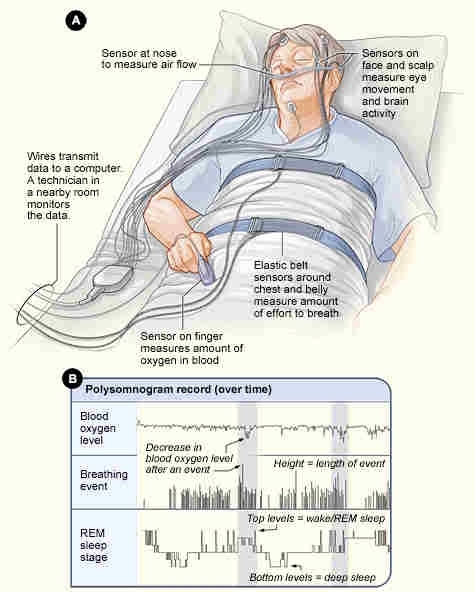 Last week I had an appointment with a sleep specialist to get the results of my sleep study. I did this study back in December 2013, and it was a hellish experience. By the time they were done wiring me for the study, I looked like a modern Frankenstein, and it was as uncomfortable as it was unsightly. Before the study I only took half of my sleep aid, because I was determined to ‘prove’ that I don’t sleep well. The first horrible part was being wired to the bed and not being able to get up without the nurse coming to unplug me. Of course I had to go to the bathroom twice that night and both times when I went to get up the wires jerked my head back down! After my neck muscle spasmed, I couldn’t bear lying there in the dark hurting any longer, so I took the other half of my sleeping pill and a muscle relaxant. Unfortunately I still ended up counting down from 3000. When the technician came to wake me, I joked that I had just fallen back to sleep, and she replied “What do you mean? You’ve been asleep all night!” I almost screamed.
At least the sleep study results backed up my experience. Of the 6 1/2 hours of recording time, I slept about 4 1/2. This means that my sleep efficiency was very low, at 64.5% (total sleep time divided by total recording time). The other interesting finding was that I woke up 66 times during the night, or about 14.3 times per hour. The good news is that I don’t have sleep apnea or restless leg syndrome. I also had “abundant slow wave sleep” but minimal REM sleep – meaning that I had a lot of deep sleep, where your body repair and recovery takes place, but minimal dream sleep. Apparently this is consistent with the medications that I take.
Like a lot of other people with fibromyalgia, getting enough sleep is probably the single most important factor that determines my quality of life. In my case, I need to get about 10 to 11 hours of sleep to be able to function the next day. If I don’t, I am miserably exhausted and everything seems to go wrong (pain goes up, mood goes down and brain fog sets in). In order to get enough sleep I take a sleep aid called doxepin (brand name Silenor). It is a low dose of a tricyclic antidepressant that helps me stay asleep for the length of time that I need. Although not as effective as some other sleeping pills that I have tried, I chose this one because it is nonaddictive and I can take it for the long term. I also take my pain medications at night (pre-gabalin and long-acting tramadol) to help me fall asleep. Finally, I take melatonin and a natural anti-anxiety supplement called Relora too.
I think I am lucky to have found a cocktail that generally works. The sleep specialist recommended continuing with doxepin/Silenor. However, she had some interesting advice regarding the length of time that I sleep. She told me that if a person actually requires, say, eight hours of sleep, but they stay in bed for 10, they will not lie asleep for eight and then lie awake for two. Instead, their body will spread their sleep over 10 hours, but the quality of the sleep will be lighter and less restful. This could explain the low sleep efficiency and high rate of awakenings that I experience. She recommended that I gradually try sleep restriction as a means of improving the quality of the sleep that I get. I have to admit that this makes me very nervous, because I am such a disaster when I don’t get my 11 hours. On the other hand, I hate spending half my life in bed. I still have to look into it further but it would mean getting up a little bit earlier every day. I think even making it down to nine hours would make me feel like I have more time to enjoy my days, as long as I can still function. The other key part is to get to bed earlier because the quality of your sleep is better at night than in the morning. I have a lot of trouble getting to bed before 12. It’s ridiculous because I know that I would feel so much more productive getting up around 9 than 11. Part of my problem making myself go to bed early is that I enjoy the company of my partner in the evening and the other part is that after I take my nightly medication I get a little bit ‘high’ – very chatty, impulsive and easily distracted! I think my new top goal has to be bedtime by 11.
Finally, the sleep specialist recommended a book called No More Sleepless Nights by Dr.Hauri. I bought the book and it looks really good so far. I thought I had read everything under the sun about sleep hygiene and relaxation techniques, but I am already learning new things, and I am only on the first chapter. I think I will leave it there for now, but follow up with a post of the most relevant things I learn from this book.
Share this:

Return from Exile
Hello lovelies!
I’m barely re-surfacing after an exhausting 6 weeks applying to school for social work. Yep, I’m taking the plunge again … Last time I was in grad school studying anthropology. That was when fibromyalgia hit and I had to withdraw. I’ve spent the last 18 months trying to figure out what could come next. It has to be something part time, that primarily involves sitting and talking. I can only do computer work with voice to text software, as my shoulder trigger points get all achy if I type. I can only read with a fancy book stand. I can hand write and text some, but not enough for extensive paperwork. I’ve thought of things like being a nutritionist, acupuncturist, English teacher and therapist/counselor.
The last one ended up making the most amount of sense. When I was a teenager I wanted to be a psychologist, and it’s something I’ve always been interested in. Generally I’ve always wanted to be in a ‘helping’ career and been fascinated by people. Before fibromyalgia that translated into international development (think organizations like UNICEF, Oxfam, Save the Children) and studying anthropology (society and culture).
Studying social work qualifies me to be a counselor/ psychotherapist/ mental health worker where I live. It also would let me continue with international development or a lot of other interesting things like immigration settlement work if I regain my health. I like not shutting doors. I found some flexible fast track bachelor of social work degrees online and one class based one at home.
It was incredibly stressful to get in touch with profs from my previous university for references. I had a terrible experience with the onset of fibromyalgia and trying to stay in school. My supervisor told me I didn’t have enough of a ‘go-getter’ attitude when I asked for accommodation! No one wrote me after I withdrew to see if I was ok. I was so miserable day after day trying to wring as much work out of myself as I could, even as I lost abilities like typing, reading paperwork without a book stand, sleeping, sitting for long periods etc. I have been looking ahead ever since I left to the future, and it was really hard to look back.
It was tough trying to organize the logistics of assembling all the documents and sending them to the different schools through brain fog. Writing a ‘personal statement’ was not as bad, but I noticed the differences in my energy and ability to think clearly and it was frustrating. I also didn’t pace myself like I should have because I wanted to get it over with!
I actually missed my ‘normal’ fibro life. I missed my weekly qi gong, stretching, strengthening, meditation. I felt the difference of not doing it too! I missed blogging, library talks, coursera courses, coffee with friends etc. But it felt good to have a challenge that would move me forward in life. I’m looking forward to taking classes online (part time of course), practicum/internships and maybe one day being a fully fledged counselor!
Wish me luck! I’m already planning my back-up for “when I don’t get in” (I’m a glass half empty type). Need to think positive!
Share this:

Gold Stars
I’ve been waiting and waiting for the flare up in my shoulders to die down so that I could write several long blog posts accepting the awards that I was so excited to be nominated for! Alas, my body is not being it’s most cooperative self (surprise, surprise) so I am going to mash everything together and break all the rules, but hopefully express some of my thanks to the bloggers that nominated me and my appreciation for the great posts written by bloggers who I like to follow.
First of all, thank you to Jenn over at My Fibrotastic Life for including me as part of her WordPress Family! I think this is a lovely award, and it’s especially true for people living with chronic illness/or pain that the people you meet blogging become an important part of your family of friends. Some of us have a hard time getting out and about to meet up with old friends and some of our friends turn out to be the fair weather type, making blogger friends who go through similar experiences all the more valuable! Jenn’s blog is where you go when you need to put things in a positive perspective. She has a particular talent for staying positive in a way that doesn’t lose touch with the genuine challenges of living with fibro.

I would also like to thank the Nocturnal Laundress for nominating me for the The Dragon’s Loyalty Award. This is one of my favourite blogs! Julie expresses her experiences with chronic pain/illness with honesty and a dash of humour, using personal stories, quotes, and images.
Last but not least, I would like to thank trynabpainfreemomma over at Fibro…Dealing and coping through laughter and tears for nominating me for The Dragon’s Loyalty Award. If you haven’t checked out this great blog, you should! You will find posts about the challenges of living with fibro put into the perspective of learning and growing as a person, despite the obstacles.

I’ve decided to nominate a list of bloggers for both awards! I consider all of these great bloggers part of my WordPress family, and I loyally follow them. So they all deserve the WordPress Family Award, and The Dragon’s Loyalty Award!
Fibro… Dealing and coping through laughter and tears
The rules: The Dragon’s Loyalty Award
This award is given to the loyal fan/ commenter who follows and comments regularly on your blog. It can be a fellow blogger or just someone who follows and comments regularly. And in order to officially accept these awards this is what I must do.
1. Firstly, display the Award on your site. You earned it and you deserve it!
2. Link back to the person who gave you the award in your acceptance post.
3. Nominate 15 well deserving bloggers for the Award and let them know the wonderful news by sending them a message on their site.
4. List seven interesting things about yourself.
The rules: WordPress Family Award
1. Display the award logo on your blog.
2. Link back to the person who nominated you.
3. Nominate 10 others you see as having an impact on your WordPress experience and family.
4. Let your 10 Family members know you have awarded them.
5. That is it. Just please pick 10 people that have taken you as a friend, and spread the love.
7 interesting things about me:
– My favourite TV show is The Good Wife
– Although currently I am fiending on The Mentalist
– During the last year I visited some local art galleries and discovered I really like photography exhibits
– One of my New Years Resolution for 2014 is to meditate daily
– Also, during the last year I enjoyed nerding on all things related to ancient civilizations
– Including the hilarious historical detective series by Elizabeth Peters about archaeologist Amelia Peabody solving murders in Victorian-era Egypt
– My guilty pleasure is Keeping up with the Kardashians (awful, I know, but I can’t help it – don’t judge me)
Share this:


It’s award season! Blog awards are super fun – it’s so nice to get that warm fuzzy feeling that someone else out there in cyberland is getting something out of reading your blog. But I think the best part is building a blogger community; I always find great new blogs from reading other lists of nominees and it’s nice to send a shout out to the bloggers I enjoy reading!
I am horrendously behind in responding to nominations. It’s not because I’m not grateful (I am!) or because I don’t want to pay them forward (I do!), but that it’s very energy consuming to write these posts. Energy isn’t something I have a lot of these days, since I started volunteering and taking my meditation class. So, without further ado, I would like thank joynpain2 for nominating me for the Versatile Blogger Award! I’m very flattered to be considered along with the other amazing blogs nominated. If you aren’t following joynpain2 you should! She gives such an honest and inspiring look into the struggle of living with chronic pain!
Here are the rules for the award:
Thank the person who gave you this award. That’s common courtesy.
Include a link to their blog. That’s also common courtesy — if you can figure out how to do it.
Next, select 15 blogs/bloggers that you’ve recently discovered or follow regularly. ( I would add, pick blogs or bloggers that are excellent!)
Nominate those 15 bloggers for the Versatile Blogger Award — you might include a link to this site.
Finally, tell the person who nominated you 7 things about yourself.
7 Interesting Things about Myself:
1. I taught myself how to juggle in grade 9 (secret yearning to run away and join the circus, maybe?)
2. Before fibro, I traveled to every continent except Australia (and Antarctica)!
3. I used to study and volunteer in the field of international development (particularly HIV prevention and treatment programs in the developing world)
4. I love cats and dogs equally (don’t tell my cat – she has jealousy issues)
5. I am learning how to meditate and trying to do it everyday
6. I’m Canadian but I hate the cold
7. My favourite books to read are mystery novels (without too much gore
Versatile Blogger Award Nominees:
I picked 10 blogs that are relatively new to me which have already caught my interest because of some great content & unique perspective
Share this:

Fight Fibromyalgia With Shiatsu – Prevention.com


Breaking News: Brain Imaging Tracks Clinical Action of Pregabalin
Fascinating! This is a great summary of an interesting article. I think the connection between physical pain and emotional/affective responses in the brains of people living with chronic pain is really interesting. It’s amazing that they are imaging the effect of a drug on this connection, and showing it leads to analgesic effects. I take Lyrica and find it helps with tingling and chills and some sensitivity to pain. Personally I have found long acting tramadol to be more effective for the pain side of things but it’s so individual when it comes to pain.

This good news is so new that it’s dated in the future: Dec 1, 2013.
The implication is that at least one factor in chronic pain can now be visualized by computer imaging. Pregabalin (Lyrica) soothes the insula, and the changes in insula activity and corresponding decreasing pain levels were made visible for the first time.
So far, we only had static images of brains to compare those of people with chronic pain with those who are pain-free, but now we can watch the changes as they are happening in a single individual.
A study in the December issue of Anesthesiology suggests a role for brain imaging in the assessment and potential treatment of chronic pain. …use brain imaging procedures to track the clinical action of pregabalin, a drug known by the brand name…
View original post 393 more words
Share this:

Supplement Pain and Low Energy Away: Naturopathic Protocol Part 3
Serrapeptase
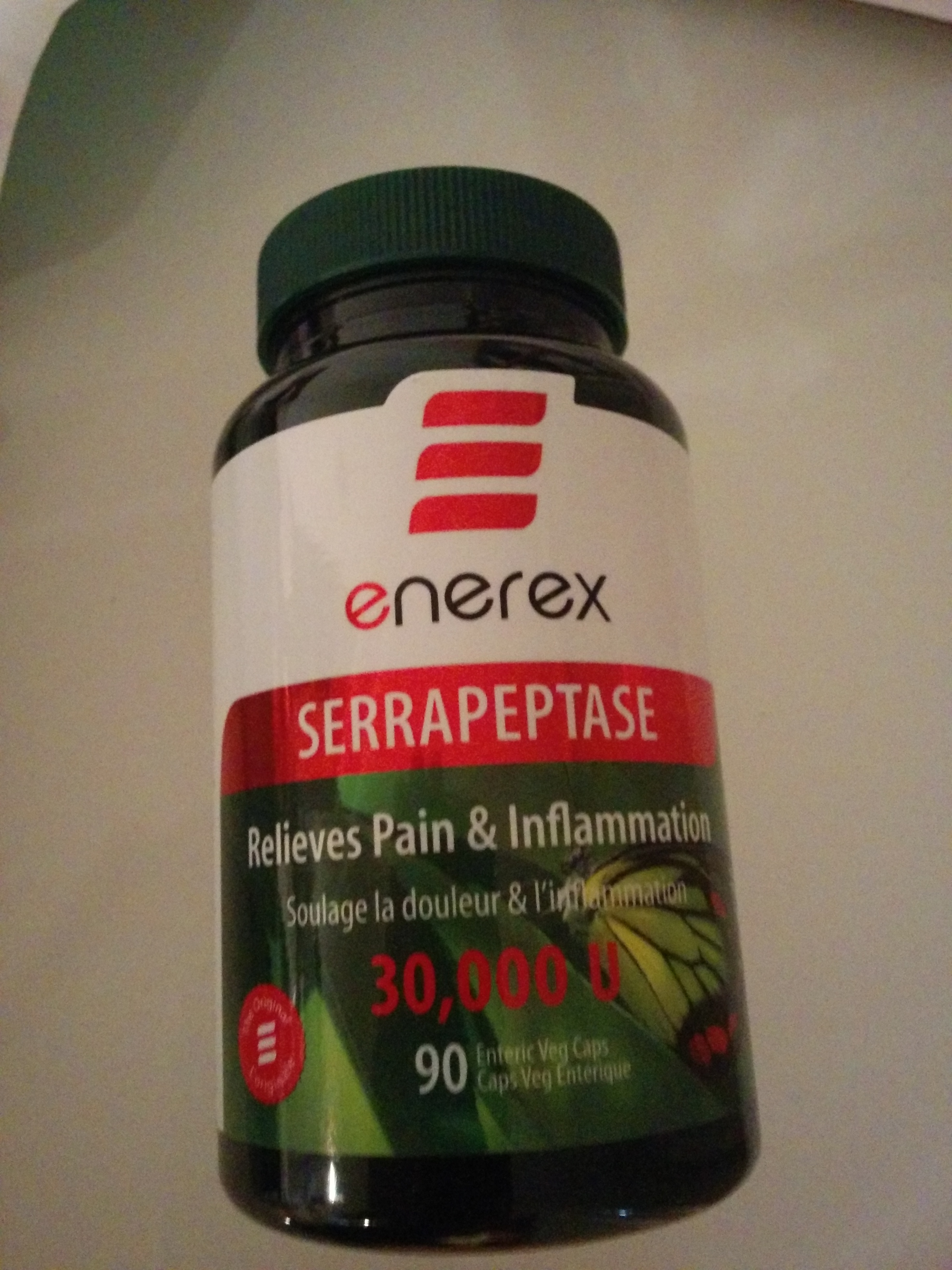
I had an appointment with my naturopath last week. She was happy with my progress so far. My stomach issues have been much better. Last August, I did a food sensitivity test in combination with a food diary, and identified my trigger foods. After I eliminated these triggers, which included eggs, wheat/gluten, cruciferous veggies (broccoli, cauliflower, brussels sprouts) and beef, my gastrointestinal tract is been much happier. In addition, I also take a probiotic, an anti-yeast/anti-microbial supplement (Genestra Candicin) and intestinal support supplement (Metagenic Glutagenic with glutamine, aloe and licorice). This cocktail helps to keep things humming along nicely! If you’d like to know more, I wrote about it in a previous post: naturopathic protocol part 1. In the second phase of my protocol, my naturopathic prescribed D-ribose. I take 5 g daily, which is lower than the 10 to 15 g advised by some leading CFS/FMS researchers, but I found a higher doses gave me headaches. So far I have seen an increase in my energy levels – about 25%. At my most recent appointment, the naturopath wanted to address my pain issues more directly. She added a proteolytic enzyme called serrapeptase, which acts as an anti-inflammatory and pain killer. This enzyme, which was originally found in bacteria from the guts of silkworms, digests protein, and helps silkworms to break down their cocoons! In the human body, it reduces swelling by promoting drainage, inhibits pain-inducing amines called bradykinins, and breaks down dead tissue like plaques or adhesions.* It has been used in Asia and Europe for over 25 years and is backed by a significant body of research. Although it has not been studied specifically for use in treating fibromyalgia, it has been found to be effective for sprains and torn ligaments, carpal tunnel syndrome, post-op swelling, clots, arteriosclerosis and upper respiratory infections.* I think that this might be particularly effective for myofascial pain syndrome, which is characterized by trigger points in muscle groups, and frequently associated with fibromyalgia. Anti-inflammatories are more effective for myofascial pain syndrome than fibro, and I can imagine that in addition to its anti-inflammatory component, serrapeptase might help also help break down the adhesions and trigger points. My pain has been significantly reduced since I began taking it twice daily. The only tricky part is that you have to take it on an empty stomach so that the enzyme is absorbed into your bloodstream and not used up in the gut digesting protein in your food. My naturopath also prescribed an additional energy enhancing supplement which contains acetyl-L-carnitine and Coenzyme Q10. Both of these supplements have been found to improve fibromyalgia symptoms in recent studies. This past October, Spanish researchers published a study demonstrating clinical and molecular benefits from CoQ10 supplementation. This randomized, double-blind, placebo-controlled study included 20 participants diagnosed with fibromyalgia. Half of the subjects were given 300 mg of CoQ10 daily for 40 days. These subjects were found to have significantly reduced pain, fatigue and morning tiredness. Interestingly, these clinical results were corroborated by molecular findings. The researchers found recovery of inflammatory biomarkers, levels of antioxidant enzymes, mitochondrial function and expression of a gene called AMPK. This gene codes for an enzyme that plays an important role in cellular energy metabolism. The study concluded that CoQ10 may be beneficial for fibromyalgia sufferers. In 2007, researchers published a study that looked at the effects of acetyl l-carnitine supplementation in patients with fibromyalgia. Over 100 patients were enrolled in the study. The active group were given over 1000 mg of acetyl l-carnitine daily plus 1 intramuscular injection of 500 mg weekly for 10 weeks, and the control group was given a placebo. Researchers found significant benefits in the active group from supplementation, specifically in reduced tender point pain, overall musculoskeletal pain and depressive symptoms. They concluded that acetyl l-carnitine is a helpful supplement for pain and mental health in fibromyalgia patients. I am taking different amounts of these two supplements than were studied. My formula includes 80 mg of CoQ10 and 100 mg of acetyl l-carnitine daily. I have only been taking this supplement for a few days, so I will have to report back later on any effects I feel. If I don’t see any effects, then maybe I will have to consider taking a higher dose! Both of these supplements are involved in cellular energy metabolism, which is interesting because the primary theory at the moment is central sensitization of pain processing. Fibromyalgia must be some kind of crazy jigsaw puzzle – but obviously it has far-reaching effects in our bodies. Anyway, that’s enough research nerding for one day! Have a happy day! Rossini M, Di Munno O, Valentini G, Bianchi G, Biasi G, Cacace E, Malesci D, La Montagna G, Viapiana O, Adami S. ‘Double-blind, multicenter trial comparing acetyl l-carnitine with placebo in the treatment of fibromyalgia patients’. Clin Exp Rheumatol. 2007 Mar-Apr;25(2):182-8. . **Mario D. Cordero, Elísabet Alcocer-Gómez, Manuel de Miguel, Ognjen Culic, Angel M. Carrión, José Miguel Alvarez-Suarez, Pedro Bullón, Maurizio Battino, Ana Fernández-Rodríguez, and José Antonio Sánchez-Alcazar. Antioxidants & Redox Signaling. October 20, 2013, 19(12): 1356-1361. doi:10.1089/ars.2013.5260. *’All about supplements: Serrapeptase – the natural anti-inflammatory’. Life Extension Magazine, September 2003. Accessed November 14, 2013. http://www.lef.org/magazine/mag2003/sep2003_report_aas_01.htm ‘Studies show benefit of CoQ10 in fibromyalgia’. Natural news, April 26, 2013. Accessed November 18, 2013. http://www.nyrnaturalnews.com/pain-2/2013/04/studies-show-benefit-of-coq10-in-fibromyalgia/
Related articles
- Did You Know? It’s Naturopathic Medicine Week (healthbistro.lifescript.com)
Share this:

Nondrug, Trigger Point and Alternative Fibromyalgia Treatment
“The good news is that many therapies can ease this type of muscle pain, and for the most part, their side effects are minimal. Various movement therapies and nourishing supplements may reduce chances that trigger points will develop in the first place. Consider trying out a variety of the alternative treatment options described below, based on your needs.” Fabulous reference for non-drug options!
Nondrug, Trigger Point and Alternative Fibromyalgia Treatment.

 Skillfully Well & Painfully Aware