Holiday Giveaway!

holiday-giveawayAs part of the Chronic Illness Bloggers  network, I’m excited to participate in the first Holiday Giveaway!

The prizes donated by CIB sponsors (see below) are all focused on supporting people living with chronic illness, which is why I think the CIB giveaway is a perfect fit for this blog!

If you are interested in entering, please click here:

http://www.rafflecopter.com/rafl/display/dde15f7712/?

There are 11 Prize Packs in total, each worth between $400-600. Prizes included in the packs vary from an Organic Aromas aromatherapy diffuser, a free one hour health coaching session, the Gupta home study program on recovering from CFS/FMS, Fay Farm healing body lotions, and e-books written by fantastic chronic illness bloggers, among many others!

Please note that two packs ship to US addresses only, so any non-US winners who are randomly selected can choose a US address to ship to or forfeit the prize.

This giveaway is sponsored by Chronic Illness Bloggers. Prizes have been donated by the following:


Blog Round-up: Inspiring Posts about Living with Chronic Illness that I Read this Week

blog-roundup

For those of us who have a chronic illness, the best advice, information and insight on how to live with our conditions comes from the amazing community of bloggers. These writers share their health experiences, their research, and hard-earned wisdom with their readers. Personally, I have learned so much about how to manage my fibromyalgia and other conditions from reading chronic illness blogs. I want to share some of the most inspirational posts that I have read recently, focusing on living “skillfully well” with chronic illness by through self-care – physically, mentally, and emotionally. These aren’t all ‘success stories’; it’s just as important to be candid about the struggles of life with chronic illness as it is to celebrate the successes and silver-linings.

Chronic Mom: A Day in the Life of an Opioid Addict A powerfully honest account of trying to get through a normal, busy day in debilitating pain because of opioid rationing and stigma.

The Pain Companion Blog: Surviving the Holidays When You’re in Pain Tips include giving a firm ‘maybe’ to holiday plans. I’m going to remember that one!

Living with ME: Rest Day vs Bad Day This post talks about the importance of planning preventative ‘rest days’ to avoid crashing on ‘bad days’. It helps to distinguish the difference, especially for family/friends who may be confused why you need to take time out without having illness symptoms.

Lilac and Lyme: My Lyme Disease Story – The Journey to Diagnosis It is so important to raise awareness by sharing our illness stories. In Part 2 of her narrative, Lilac and Lyme shares the difficult route to getting diagnosed as she navigated a skeptical medical field and weighed difficult treatment options.

The Daily Manic: Stop and Discover Some New Dreams This post explores the positives of living a simpler life due to chronic illness, by discovering new passions, hobbies and creative outlets.

Chronically Whole: When You’re Out of Spoons The all too familiar experience of what it’s like to have no energy left. This post is about trying to celebrate the holidays with a young family and no spoons. Helpful tips included!

Hope you enjoy these posts and I will try to regularly share more links!

Is Acupuncture an Effective Tool for Your Chronic Pain Treatment Toolbox?

I recently wrote an article for New Life Outlook on the benefits of acupuncture for chronic pain, including different types of acupuncture you may want to consider:

http://chronicpain.newlifeoutlook.com/pain-relieving-acupuncture/

Acupuncture is the therapeutic use of very thin, hair-width needles to stimulate specific points on the body in order to reduce pain or disease and promote wellbeing. You may be thinking “But I hate needles; this sounds too painful!”

In my own experience, the needle insertion feels like a slight pinch, which disappears in a few seconds. If there is any discomfort, the acupuncturist will remove the needle.

After insertion, you usually cannot feel the needles. Occasionally, there may be a sense of warmth or heaviness around the insertion point. The needles are typically left in for 15-30 minutes while you rest.

What Is Acupuncture?

Acupuncture has been used for over 3,000 years and is an integral part of Traditional Chinese Medicine (TCM). In this medical system, health is understood as achieving balance between opposing forces (yin and yang).

Traditionally, essential life energy, called ‘qi’ (chee) is believed to flow along channels in the body called meridians, keeping yin and yang balanced. Acupuncture points are mapped along meridians — if the flow of qi is blocked, it causes pain and disease (imbalance).

Stimulating acupuncture points restores the flow of qi along the meridians, improving the health of the individual and restoring balance.

A Western Approach

Western medicine offers a different perspective on how acupuncture works. Scientific studies demonstrate that acupuncture points are often located on nerve bundles or muscle trigger points.

Acupuncture has been found to increase blood flow to tissues around the acupuncture point, promote healing of localized tissues, and affect the central nervous system. Some of the nervous system effects include down-regulating pain sensation, encouraging a relaxed brain state, and calming the autonomic nervous system.

However, some skeptics believe these findings only demonstrate a strong placebo response to acupuncture…

Day 9: Imagining My Ideal Day 

14947785_10154671330669254_7579095846543936242_nIt’s almost hard to imagine a perfect day when you live with chronic illness I don’t really let myself fantasize because I don’t want negative comparisons to get me down. This year, though, my husband and I agreed we need to put aside ‘to-do’ lists and have fun more often. I’ve started imagining day trips that we could enjoy together that are still manageable within my limitations. For this post,  I’ll imagine an ‘almost perfect’ day…

It would start with an unexpectedly great sleep, then a homemade breakfast of pancakes and maple syrup. I would put my phone away and have no demands on my time. I would spend the afternoon on a scenic drive with my husband to a beach or other beautiful outdoor spot. We’d walk in the afternoon sunshine and  then have a picnic.  After, on the drive home, we might discover a cute town or winery to explore. Maybe there would be a jazz festival or art exhibit to check out. Then we would find a neighbourhood restaurant for dinner. Finally, we would drive back to our place and curl up to watch an old movie or cozy mystery. During the day my body would keep pain to a minimum and my brain would not be foggy. I would fall asleep easily that night.

The funny part about my ideal day, besides the fact I’m 31 going on 70, is that it happens quasi regularly. We don’t always get to do all of those things, of course. But it reminds me that even with fibromyalgia I can enjoy my life the way I want to, even if it isn’t possible everyday and doesn’t happen exactly how I imagined it would.

The Little Engine that Could: My Intentions this Week #HAWMC Prompt

15016179_10154669145844254_2138113388259452599_o

I think I can…join in the WeGo writers’ challenge to post daily for the rest of the month!

I think I can…renew my meditation practice after getting off track because of a flare.

I think I can… write a new article this week on the power of beginning again when you live with chronic illness.

I think I can…try going dairy and gluten free for November to see if it helps reduce my endometriosis pain.

I think I can…finally get through the US election and never look back!

I think I can…recover from a neck spasm so I can get back to calligraphy and make my Christmas cards for the first time!

I think I can … make it out to see old friends in the next week.

I think I can … be grateful for the good things and experiences in my day- to-day life, despite the challenges of chronic pain and illness.

I know I can … catch up on my new and returning fall shows (my weekly cryfest This Is Us, quirky Sherlock mysteries on Elementary, and political Aussie thriller the Code).

I know I can… be aware of my self-talk. Challenge negative judgements about my ‘productivity’ and validate the importance of self-care.

I know I can… spoil my cat Lily. (No more than she deserves, as she would tell you).

I know I can … stick to my morning routine of stretching, meditating and eating superfood seeds.

I know I can…get out for a walk, most days of the week.

Thanks for the prompt, WeGo! It helps me feel positive to write out all these intentions, even though I have fatigue and brainfog today.

Wheat Free Diet? New study links wheat protein to increased inflammation in chronic health conditions

14668445659_9ecfc16987_mIf you live with chronic illness, you’ve probably considered going on a gluten free diet.  Integrative health care providers and ePatient bloggers frequently a share anecdotal evidence that avoiding gluten can improve symptoms. Some go further, and attribute their recovery to going grain-free by following a paleo diet. New research suggests these benefits may be from going wheat-free rather than gluten-free.  A protein found in wheat called amylase trypsin inhibitor (ATI) has been found to trigger a powerful immune reaction in individuals living with chronic health conditions, which in turn caused inflammation – found not only in the gut, but in a number of other organs, including the lymph nodes, kidney, spleen and brain.  This inflammatory response was seen in patients with immune-related conditions like rheumatoid arthritis, multiple sclerosis, asthma and inflammatory bowel disease. ATIs were also found to exacerbate non-celiac gluten sensitivity – which may in fact be misnamed.  If you have this food tolerance, it may be more accurate to say you have ATI intolerance!  But further research is needed to confirm this finding.

What if you have a chronic fatigue syndrome or fibromyalgia?  The research didn’t specifically address these illnesses in their findings.  However, a significant amount of research has connected CFS/FM to immune dysfunction and inflammation.  In fibromyalgia this inflammation has been linked to a glial cells in the central nervous system and fascia (connective tissue that encases muscles).  My conclusion from this study is that trialing a wheat-free diet could be an important step to better managing symptoms for CFS/FM, as well as the chronic health conditions that were included in the study.

Resources:

References:

https://www.eurekalert.org/pub_releases/2016-10/sh-nsl101016.php

http://www.medicalnewstoday.com/articles/313514.php

New Study Identifies Brain Signature in 93% of FM Patients

As most fibromyalgia patients know, there are no approved tests to diagnose this chronic pain condition. A new study has taken science a step forward in this direction. Researchers at the University of Colorado Boulder have identified a brain signature that is able to predict fibromyalgia with 93% accuracy. Functional MRI Scans were used to compare brain activity in 37 fibromyalgia patients and 35 healthy controls as they were exposed to multiple sensory sensations (visual, auditory and pressure).  The study found three ‘neurological patterns’ common to 93% of the participants with fibromyalgia. Specifically, these brain responses “show characteristically enhanced unpleasantness to painful and non-painful sensations accompanied by altered neural responses” (Lopez-Sola, et al., 2016). As this was the first neuro-imaging study of the chronic pain condition, it provided further proof that fibromyalgia is a central nervous system disorder. Additional studies may help to determine if there are sub-types of the condition and individual variations, ultimately leading to more effective treatments.

  • Marina López-Solà, Choong-Wan Woo, Jesus Pujol, Joan Deus, Ben J. Harrison, Jordi Monfort, Tor D. Wager.Towards a neurophysiological signature for fibromyalgiaPAIN, 2016; 1 DOI: 1097/j.pain.0000000000000707
  • University of Colorado at Boulder. (2016, October 17). Neural signature for fibromyalgia may aid diagnosis, treatment.ScienceDaily. Retrieved October 20, 2016 from sciencedaily.com/releases/2016/10/161017111159.htm

Spoonie Sayings

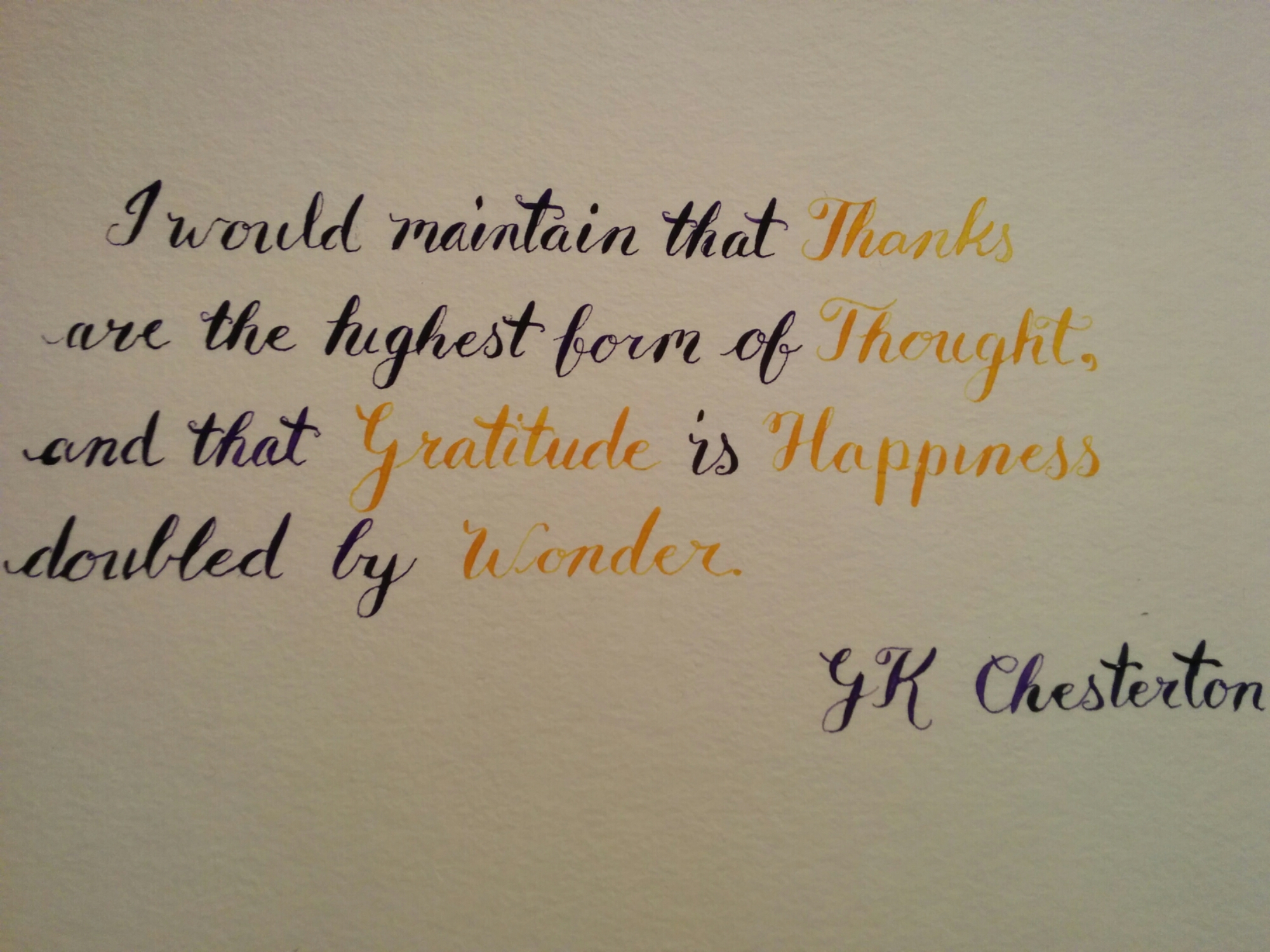
Inspired by (Canadian) Thanksgiving, we’ve started ending our weekends by lighting candles for things we are grateful for. It’s amazing how your perspective changes when you focus on the good things instead of all the problems that come with chronic illness. It’s not a cure-all but a helpful practice for us #spoonies!

Organic Aromas Diffuser: The New Aromatherapy Tool in my Fibromyalgia Treatment Toolbox

I have been given this product as part of a product review through the Chronic Illness Bloggers network. Although the product was a gift, all opinions in this review remain my own and I was in no way influenced by the company.

The Organic Aromas nebulizing diffuser mists microdroplets of essential oil throughout a space of up to 800 ft.² The diffuser works without using heat or water, by applying Bernoulli’s principle to pressurize the essential oil into a fine mist. This means the essential oil is unaltered, thereby retaining its rich scent and therapeutic effect. The product itself is comprised of a handcrafted wooden base with the blown glass diffuser set on top. Gentle LED mood lights flicker within. The design of the product is aesthetically pleasing. You can leave it on a tabletop or windowsill and it looks decorative even while it is not in use.

The diffuser is very easy to use. You simply put 10-15 drops of essential oil into the opening at the top of the glass reservoir, and switch it on. The scent it produces is noticeable but not overwhelming, unless you sit or lie down within 1-2 ft. The full richness of the scent was more noticeable to me than produced by other aromatherapy products that I tried. It works quietly, although there is a slight hissing sound as it produces the mist. I found the lights unobtrusive especially in daylight.

Another feature that appealed to me is that it uses very little energy. The diffuser alternates between misting and rest every two minutes. The base contains a dial so you can choose the strength of diffusion you want. It automatically turns off after two hours.

You can find more information on Organic Aromas Nebulizing Diffusers here: https://organicaromas.com.

How can aromatherapy help with chronic illness? 

Many of us struggle with the side effects of medical interventions. Aromatherapy offers an enjoyable and side-effect free alternative. One critical caveat here,  if you have multiple chemical sensitivities or light/scent induced migraines, this may not be appropriate for you.

There are many essential oil that you can try for a range of purposes. I began with lavender oil in the evening for relaxation/sleep and rosemary oil during the day for mental fatigue, memory issues related to brain fog, and circulatory stimulation. You may be surprised to know that studies support the use of essential oils for medicinal purposes. For example, according to the University of Maryland Medical Center, “Scientific evidence suggests that aromatherapy with lavender may slow the activity of the nervous system, improve sleep quality, promote relaxation, and lift mood in people suffering from sleep disorders”[i].  Since sleep is a primary complaint for those living with fibromyalgia, aromatherapy with lavender oil could be a valuable tool in your treatment toolbox. According to another recent study, rosemary oil diffused throughout a room helped participants perform significantly better on a memory test than participants in a control room[ii]. This appealed to me because brain fog affects my word recall and short term memory. Essential oils are believed to work when compounds that are inhaled enter the blood stream. In the case of rosemary, some of those compounds are able to cross the blood-brain barrier, affecting brain activity[iii].

If you are interested in learning about other essential oils that may be helpful for fibromyalgia, check out the links below:

References:

[i] http://umm.edu/health/medical/altmed/herb/lavender

[ii] http://www.bbc.co.uk/news/magazine-33519453

[iii] http://www.bbc.co.uk/news/magazine-33519453

A Not-to-Do List for Life with Fibromyalgia

not-to-do-list-pinterest

I recently began reading Toni Bernhard’s wonderful book How to Live Well with Chronic Illness.  I was inspired to write this post after reading a section in her book where she outlines her ‘not-to-do list’. Bernhard rightly points out that it takes a great deal of self-discipline to stick within the restrictions imposed on your body by chronic illness.  In my own case I’ve found that most of my self-growth has come from recognizing, accepting and learning to do things differently in response to these restrictions.  I thought I would share my own not-to-to list:

  1. Do not equate productivity with self-worth: in my life before fibromyalgia I made work my top priority. I was in my mid-twenties and trying to start a career. I made a lot of sacrifices in my relationships and personal life in order to achieve these goals.  When all this came crashing down and I was no longer able to work, I could not see how I added value to the world around me.  Although I lead a much more well-balanced life now, I still have that voice in the back of my head every day judging whether I accomplished enough, and in turn, how good I feel about myself.  Now I challenge these thoughts.  When you live with chronic illness, every act of self-care, pursuit of a hobby, time spent with a loved one, or even regular work are all “productive”.
  1. Do not spend more time with toxic people then you choose to: we all have people in our lives, whether friends, colleagues or family members who are difficult to be around. They make us feel upset, drained, and negative. Sometimes I refer to these people as ‘energy vampires’- after visiting them, you feel depleted and depressed.  These are people that you need to set boundaries with, regardless of any guilt they may throw your way.  Toni Bernhard writes about having a revelation that she was not personally responsible for the behaviour of other people.  She practices equanimity about the fact that other people often don’t act the way we want them to, which I think is a valuable insight for people living with chronic illness.
  1. Do not push through: at the beginning of my illness journey, I never let myself “give in” to the fatigue or pain I was experiencing. I would stay out at a cafe all afternoon, even if I started to go cross-eyed with exhaustion, rather than surrender to my limitations.  Now I understand that this not-to-do actually helps me transcend my limitations, rather than surrender to them. After taking a Mindfulness Based Stress Reduction class, I learned to develop a different relationship with my body.  I try to work with my body, rather than in spite of it. For example, I really wanted to write this blog post today, but I am especially fatigued after a bad night’s sleep.  So instead, I am writing one bullet point, then resting, then writing etc.  You have probably had ‘pacing’ recommended to you before.  Personally, I don’t usually follow a rigid pacing schedule, like 15 minutes work, 15 minutes rest, etc.  Instead, I regularly check in with my body and accommodate accordingly.  To me, for pacing to be successful, it needs to be about more than scheduling; it’s about building a better relationship with your body.
  1. Do not add judgment of yourself on top of the challenges you already face: most of us are our own worst critics. We often set impossible standards for ourselves.  Even in the face of the challenges of chronic illness, I still think that I should be more positive, zen, strong, or competent, among other things.  When I get upset about something, I’m good at piling more judgment on top of myself for even being upset in the first place.  By being more aware of my inner dialogue, I’m getting better at recognizing when I do to this.  When I catch myself, I try to say ‘this extra judgment isn’t helping me deal with the real problem here’.  I take a deep breath and begin again.
  1. Do not say “I should” or “I have to” or “I must” to yourself: These types of statements set impossible standards for yourself, and are unrealistic given the constant flux of symptoms that characterize chronic illness. I’ve learned it’s important to hold intentions about what I would like to cultivate more of in my life.  Intentions are always present.  We always hold them in this moment. Goals about what you should/must/have to always do exist in the future. When you live with chronic illness you have so little control over what tomorrow will look like. ‘I should’ statements presume an all or nothing definition of success. These types of statements set yourself up for failure. It’s more helpful to say “I’m going to try my best to do __”. Hold this as an intention, even through set-backs.