
There are so many challenges day to day when you live with a chronic illness. Fixating on the things I can’t control never helps. Overlooking them does.
There are so many challenges day to day when you live with a chronic illness. Fixating on the things I can’t control never helps. Overlooking them does.
If you’re like me, then how you share intimacy when you live with chronic illness is different than in your life before chronic illness. This isn’t necessarily a negative – it can bring positive change. For example, maybe you focus more on your intimate connection now instead of being on autopilot. But what do you do if your sex life isn’t the way you wish it could be?…
This is a sponsored post. I have been compensated through the Chronic Illness Bloggers network. All opinions remain my own and I was in no way influenced by the company.
This sponsored post is an opportunity for me to discuss an important topic for women living with vulvodynia and other types of chronic pelvic pain. Treating these conditions is difficult, but there are some helpful and practical steps you can take outside of your doctor’s office to find relief day-to-day. One of these is using a high quality, natural personal lubricant, like Sylk.
Vulvodynia means chronic pain of the vulva, which research suggests is caused by hypersensitivity of vulvar nerve fibers.[1] Vulvodynia can be generalized (cause pain everywhere in the vulva) or localized (to a specific area of the vulva). The burning pain and soreness can be constant or intermittent. Some women have provoked vestibulodynia (pain of the vestibule, or vaginal opening), which is usually felt when light pressure is applied to the area, such as when trying to have sex, when sitting down or wearing tight pants. Other women to have unprovoked vulvodynia, which means the pain is relatively constant and not related to touch or pressure, but can flare up because of sex or activities like bike riding or horseback riding. Chronic pelvic pain conditions, like vulvodynia, often overlap with other chronic pain conditions, like fibromyalgia, IBS, or interstitial cystitis.[2]
A high quality natural lubricant can help provide relief for both daily life as well as sexual activities. Personal lubricants can provide a barrier between delicate vulvar tissue and rubbing, chafing or friction. Many women with vulvodynia can find wearing pants or underwear uncomfortable, so regular use of a lubricant can help. Applying personal lubricant can also help with using tampons, which is often challenging for women with vulvar pain. Finally, pain during sex is a common issue for women with vulvodynia. Lubrication is essential for intimacy – both intercourse and ‘outercourse’, or foreplay, because it can form a protective barrier over sensitive vulvar skin. Sylk is unique because it is the only lubricant that uses New Zealand kiwifruit vine extract. What makes this ingredient special? It yields a compound called pectin polysaccharides, which form a ‘film’ over the vulva when applied, and act as a highly effective lubricant. The pectin polysaccharide film is similar to natural vaginal secretions.
Many women experience vaginal dryness, and women with chronic pelvic pain can be especially sensitive to this problem. Dryness can cycle throughout the month. It is also associated with peri-menopause and menopause. Sylk is acts a moisturizer, relieving the irritation caused by dryness. Unlike many lubricants, the pH of Sylk closely matches the pH of natural vaginal secretions. Why does this matter? Vaginal pH is naturally slightly acidic, which prevents the growth of pathogens, like yeast or harmful bacteria. Sylk also contains flavonoids, isolated from grape seed extract – a type of plant nutrient that is anti-microbial and anti-allergenic. This is important for women with chronic pelvic pain, which can be exacerbated by vaginal infections.
But for all the benefits of personal lubricants, the wrong ingredients can do more harm than good. It’s hard to overstate the importance of carefully reviewing ingredients for personal care products. Many commonly available lubricants contain irritating or allergenic ingredients. For example, the chemical propylene glycol is a known irritant, and can also be found in antifreeze.[3] A type of preservative called parabens can mimic estrogen in the body, disrupting normal endocrine function, and have been rated it as moderate-to-severely hazardous by the Environmental Working Group (EWG).[4] That’s why it’s important to choose lubricants with gentle, all-natural ingredients, like Sylk.
When choosing a brand of personal lubricant, I think it’s important to look at the reputation of the product, as well as the ingredients. The SYLK brand has been around for 30 years internationally. It is now available in the United States as an FDA cleared product, demonstrating its long-standing record of safety and effectiveness.
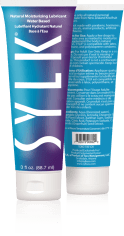
You can find Sylk lubricant:
[1] http://www.vulvalpainsociety.org/vps/index.php/vulval-conditions/vulvodynia
[2]Reed, B. D., Harlow, S. D., Sen, A., Edwards, R. M., Chen, D., & Haefner, H. K. (2012). Relationship Between Vulvodynia and Chronic Comorbid Pain Conditions. Obstetrics and Gynecology, 120(1), 145–151. http://doi.org/10.1097/AOG.0b013e31825957cf
[3] https://www.ewg.org/skindeep/ingredient/705315/PROPYLENE_GLYCOL/
[4] https://www.ewg.org/skindeep/ingredient/703937/METHYLPARABEN/#
Mornings are tough when you live with fibromyalgia. If you’re like me, you wake up stiff and tired, and shuffle out of bed. I usually sit in a stupor, drinking tea, eating breakfast and watching tv. I’ve learned that it’s what I do next that determines how the rest of my day will go. Here are the top three things I do to keep my fibro symptoms under control.
Seeds may be small, but they’re still super! Seeds like chia, flax and hemp hearts (hemp seeds with the hull removed) contain several key fibromyalgia-fighting nutrients. I usually add 2 tablespoons of seeds to my morning oatmeal or smoothie. Of course, it’s still important to have a balanced breakfast, with protein, healthy carbs and fiber. All three seeds are rich in antioxidants, which are critical for people living with fibromyalgia, because we have high rates of oxidative stress caused by tissue-damaging free radicals (read more about the importance of anti-oxidants to fibromyalgia here). Chia and flax both contain a plant based source of omega-3, which is anti-inflammatory (although it’s important to note that omega-3 from fish oil is more potent overall).
Two tablespoons of hemp seeds provide 50% of your daily recommended allowance of magnesium (chia comes in at 18% and flax at 14%). Magnesium has been demonstrated in several studies to reduce fibromyalgia symptoms, and is important for nerve and muscle health.[1] Chia, flax and hemp seeds are also rich in essential minerals like manganese, phosphorus and iron. Chia is a great source of calcium. Did you know that women living with fibromyalgia have low levels of these minerals?[2] All three seeds also contain fiber, which can be helpful if you suffer from digestive symptoms or IBS, and is good for your overall gut health.
2. Stretch
Every morning I spend about half an hour doing a full body stretching routine. Stretching is probably the single most important management tool I have for my pain. I use a combination of stretches recommended by my physiotherapist, gentle yoga poses (like a child’s pose) and basic stretches I learned in gym class. A recent review of research into the effects of stretching on fibromyalgia treatment found significant improvements in pain and quality of life [3]. According to the Mayo Clinic, stretching improves flexibility, range of motion and increases blood flow to the area.[4] It’s usually recommended that stretches should be held for at least 30 seconds. My physiotherapist suggested that, if I found this too painful, I should hold for 5 seconds, gently release, and repeat six times. She said that gentle rhythmic movements are sometimes easier for our sensitive nervous systems to handle. You may find it necessary to warm up before stretching by walking around your home several times and/or taking a hot shower. Here is a basic list of stretches:
Cat and cow yoga pose 5 x
Child’s pose
Knees to chest (on back)
Keyhole piriformis stretch (ankle to opposite knee and pull) each side
Stretches for neck and shoulder pain
Forward head tilt
Ear to shoulder tilt both sides
“Eagle arm” upper back stretch
3. Meditate
Early on after my diagnosis my pain specialist recommended that I take a Mindfulness-Based Stress Reduction course for pain management. This is one of the best things I’ve done for my sanity and well-being! There is a growing body of evidence that shows mindfulness meditation helps to reduce pain, anxiety and depression (read more about mindfulness and fibromyalgia here).[5] “Mindfulness is awareness that arises through paying attention, on purpose, in the present moment, non-judgmentally,” according to Jon Kabat-Zinn, a pioneer of mindfulness in medicine[6]. Being mindful means intentionally being present with your breath, thoughts, feelings and sensations. Inevitably, your mind will become distracted by worries, memories, or plans. This is an opportunity to begin again, by gently guiding your awareness back to the present moment. You can practice mindfulness through breath meditation, body scans, mindful eating, or mindful movement like yoga or Tai Chi all of which, will in turn help you practice mindful touch (find a list of free guided practices in the references[7]). I use the Insight Timer app on my phone to do an 8 minutes self-guided breathing meditation or listen to a guided meditation most weekday mornings.
[1] http://www.fmaware.org/magnesium-fibromyalgia-treatment/
[2] http://www.ncbi.nlm.nih.gov/pmc/articles/PMC3192333/
[3] http://fibromyalgianewstoday.com/2015/04/21/systematic-review-reveals-muscle-stretching-exercises-seem-improve-fibromyalgia-symptoms/
[4] http://www.mayoclinic.org/healthy-lifestyle/fitness/in-depth/stretching/art-20047931
[5] William, M. and Penman, D. (2012). Mindfulness, NY: Rodale. p.6.
[6] http://www.mindful.org/jon-kabat-zinn-defining-mindfulness/
[7] http://www.freemindfulness.org/download
A great campaign to send gift boxes to 10 spoonies. Donate if you can and spread awareness!
Hello lovely people,
I apologise for my absence.
Things are crazy at the moment. I have gone from having minimal appointments, to suddenly having three to four a week! I now see two Gastroenterologists, am back seeing my Exercise Physiologist, Acupuncturist, Vestibular Physiotherapist through the Melbourne Dizzy Day Clinic, and my team leaders at the “Illness” Employment Agency. I was supposed to see the Physiotherapist through the Chronic Pain Clinic, but have had no time been well enough to attend!
Between my appointments I have had nasty flares of my nerve pain, and stomach. Once I get one thing settled, the other plays up! Haha, the story of my life.
My “small” kindness project has also brought back worldwide positive feedback, so I am super excited (but equally exhausted) from organising it all!
I’ve popped in today to announce that I have had multiple requests on how to donate, and have…
View original post 295 more words
 My husband and I have decided the time is finally right to start family planning – or as right as it ever will be! For most (hetero) couples, this might be as simple as throwing out the birth control pill pack and spending more time in the bedroom. Of course, many otherwise healthy couples face fertility challenges that shouldn’t be minimized. But for anyone living with chronic illness, the starting point for trying to conceive may be far behind the average couple.
In my case, I live with fibromyalgia and pelvic pain, including (suspected) endometriosis. My monthly pain from the endometriosis – throbbing cramps – has worsened in the last few months – up to 5-6 out of ten on the pain scale, 15 days a month. My OB-GYN and I decided the time was right to do a laparoscopy to officially diagnose the endometriosis and to remove the painful lesions, with the goal of reducing my overall pain. If my pain is reduced, this is my best chance to endure going off of the birth control pill, which has been my endometriosis treatment for several years. This is why the time will be right or us to try to conceive, or as soon as my laparoscopy is scheduled anyway. It’s strange that my pain has decided the timing instead of life circumstances, but that’s part of being a spoonie, for me at least! If I do have endometriosis, then I may also face fertility challenges, but we will not know this for awhile. I’ll cross that bridge when I get there.
The second significant challenge is that the medications I am currently on pose potential risks to a developing fetus. In these cases the risks are weighed against the benefits for the mother -being an exhausted, stressed, depressed, or in-pain Mom is not healthy for baby either. I have to completely come off of Lyrica, or pregabalin, (FDA approved for Fibro) because a recent study suggests a high risk of birth defects. I have found Lyrica helps with my autonomic nervous system symptoms during flares – goosebumps, chills, temperature intolerance, racing pulse, restless legs, head rushes, increased salivation, etc. Coming off a potent medication is difficult, and often involves worsening pain, sleep and mood, among other rebound effects. Because my laparoscopy is several months away, I am going to taper off my Lyrica very slowly, over three to four months. Hopefully this will reduce any rebound symptoms. I’m nervous about what my fibromyalgia will look like off of pregabalin.
I have been taking a long release tramadol prescription called Tridural. My pain management team believes that the risks of tramadol for the baby – dependence on the opoid activity of tramadol – are outweighed by the benefits to me in terms of pain control. However, I am on the highest Tridural dosage, which has to be taken continuously at the same dose, once a day. So, I am switching to short acting Tramadol, which you take every 4-6 hours. The goal is to take less Tramadol overall this way, because I can modulate the dose according to my daily pain level. On low pain days I take less, on high pain days I take more, with the hope of taking less overall. I recently made the switch and I am having a tough week. I have had difficulty sleeping, stomach upset, and low energy. This is mostly due to trouble getting used to how much or how often I should take the new tramadol. I like having more control however, and am hopeful the side effects will subside soon and I will find a good routine.
A further significant issue will be sleep. Having ten hours of sleep is the foundation for my functioning. A bad sleep causes all my fibro symptoms to flare. I take a low dose of doxepin (Silenor)- a tricyclic antidepressant – to help me sleep, with occasional use of zopiclone for nights before important commitments. My doctors are still considering what my sleep prescriptions might be during pregnancy, but zopiclone is generally discouraged. I take a number of supplements like 5htp, melatonin, magnesium and valerian, which have helped my insomnia a great deal. I will have to come off of all of these too. I am definitely anxious about this part of pregnancy! I am trying a cognitive behavioral therapy for insomnia program by using a book called Sink Into Sleep: A Step by Step Workbook for Reversing Insomnia by Dr. Judith Davidson. Conquering the anxiety I have about the consequences of a bad night’s sleep is definitely helping, by using relaxing sounds and guided relaxation tapes on apps like White Noise and Insight Timer. I take the perspective that all I can do is create the best environment for sleep at the present moment and worrying about what will happen tomorrow is unhelpful. This isn’t a perfect strategy but it is helping me to reduce night time wakings now and will hopefully help during pregnancy.
Finally, in order to reduce the pain of pregnancy, I need to focus on strengthening and exercise as much as possible. I already have conditions like sciatica and SI Joint pain, which are common during pregnancy. I don’t have to tell you exercise is difficult during chronic illness! I have a wonderful physiotherapist (physical therapist) and athletic therapist who designed a gentle strengthening program for me. I found breaking it up into arms, legs and core exercises that I do on different days helps me to actually do my routine more regularly. However, the unpredictability of each day means it is hard to keep a regular exercise schedule. After three or four flare days in a row, it’s hard to get back into a routine. It’s hard to ever call it a routine! However I know that every day I put in now is going to help during nine months of pregnancy. But to top it off, I am concerned that the reduction in pain medication and associated side effects of tapering off are going to further complicate my exercise goals. It is going to take all of my determination to get stronger!
I hope to continue to share this journey on here. It helps me to process and plan for pregnancy. I also hope it raises awareness about the reality of family planning with chronic illness. Ultimately of course I hope it offers shared experiences and support for other hopeful fibro (or chronically ill) Moms-to-be (and Dads too)!

The last year has been a slow but definite change in my illness and my outlook. At the end of 2015 I was managing my fibromyalgia, more or less, and struggling through a part time social work degree. This was part of my retraining after diagnosis, into a career I hoped I could pursue part time. Over the holidays I got a bad cold. Luckily, the first virus since my illness onset 5 years earlier. I recovered from the runny nose and coughing, but not from the constant fatigue. I had the worst brain fog I’d ever had, with trouble even seeing what was in front of me. I developed anxiety about being caught out during a brain fog flare, after becoming disoriented in a store and having to leave without paying. It’s scary to lose the ability to find an item in a store, figure out how to pay for it (without forgetting your pin code) and walk home.
Around this time I was supposed to be finding a practicum placement for my degree program. There was no way I was going to be able to finish the winter 2016 term, never mind commit to functioning 15 hours a week during specific hours. So I put school on hold. I worried I was back to having my life on hold.
Overtime I started blogging more again, connecting with other people living with chronic illness on social media. I took a health coaching course. I’ve considered many different ideas about how I could work from home. Recently it occurred to me that, with my prior experience in Korea, I could take a course to tutor English as a second language one on one, at my set hours, or online.
I’ve lost about five years of work experience and all my confidence in anything professional. It’s a combination of the uncertainty of my condition, of the horrible experience of slowly losing my functioning, and the fear of going back to the worst moments of my illness. How can I make a commitment I don’t know I can keep? Maybe it’s the fact I am a people pleaser and a perfectionist, but the prospect of that happening makes me very apprehensive.
Then there is the whole issues of expectations. In my life Before Fibro (B.F.) I was a graduate student, planning on working in international health projects as an applied anthropologist (like HIV/AIDS or malaria programs). I travelled a lot and wanted to live all over the world. Now, that’s never gonna happen. It’s something I am sad about at times, but I have mostly reconciled myself to. I try to move forward and plan new plans.
But I can hear the voices of a few family members who would not be happy about my ESL tutor plans. “You’re settling, and not living up to your potential” is what they’d say. Am I sure I’ve tried every avenue to make make my dreams a reality? Is it ever right to turn your back on your passions? Am I just rationalizing giving up as ‘acceptance’? Perhaps.
There is something liberating about finding a pathway that I CAN follow. I can volunteer tutor. Take an online course. Apply to online positions that interest me or advertise and accept students that I want to work with. Make my own schedule. Every other career option seems fraught with unknowns, like placement requirements I may not be able to fulfill.
There is the appeal of tangible accomplishment as you see students learn. There is very little that is tangible about chronic illness. Improvements in health fluctuate. Hobbies can definitely help to fill this void. I find doing calligraphy gives me a sense of accomplishment. Blogging too. But I still feel a gap that I want to fill, a need to contribute beyond my own personal life to improve someone else’s. I’m excited to volunteer tutor for the library, two hours a week. I think that’s manageable. Maybe it won’t go beyond that, into work. That would be ok too.
I’d also like to be able to contribute financially to my family, even if it’s only enough for a vacation. This is a side benefit though and not one I want to count on. Living as a couple on one income is a stretch but we’re fortunate we are able to. I’m just not able to work enough to make a big difference. But I would be really excited to earn a paycheck.
After beginning this post I came across a quote by J.K. Rowling (Albus Dumbledore):
“It does not do to dwell on dreams and forget to live” – J.K. Rowling
Living with chronic illness has changed my relationship to my dreams. I want to live now, based on my current abilities, rather then wait on dreams.




 Skillfully Well & Painfully Aware