http://mobile.nutraingredients.com/Research/Study-pinpoints-Pycnogenol-s-pain-relieving-potential
Category: Uncategorized

Gluten sensitivity: Biological mechanism uncovered – Medical News Today

Can Antioxidants Help Treat Chronic Illnesses Like Fibromyalgia?
By now, who hasn’t heard that they should be eating antioxidants? But have you got the message about why you should be anti oxidants in the first place, especially if you have a chronic illness?
Dr. William Sears explains “Our bodies are oxygen-burning machines. Every minute, countless biochemical reactions through the body generate exhausts called oxidants, or free radicals” (Prime Time Health p. 20). These particles damage our DNA, cells and tissues through a process known as oxidation. You’ve actually seen this happen – probably without knowing it – when a cut piece of apple or avocado browns over time. Or, when your aging car or bicycle rusts. Free radicals pull electrons from nearby molecules, altering their structure and function, and damaging tissues at the biochemical level. In the body, this ‘rusting’ leads to age-related changes like hardened arteries, stiff joints and wrinkled skin. Chronic oxidation activates inflammation pathways at the cellular level. In turn, chronic inflammation can lead to chronic disease, including cancer and arthritis, among many other conditions.
The body naturally produces antioxidants – substances that bind to free radicals, effectively neutralizing them. Many vitamins, like C and E, as well as minerals, like selenium, act as antioxidants. The antioxidant defence system is a key part of the body’s immune system, acting to protect our cells and tissues. “But when the body builds up more oxidants than antioxidants,” explains Dr. Sears, “the garbage backs up and increases the wear and tear on the tissues” (Prime Time Health, p. 21).
Increased oxidation is part of many chronic illnesses. Rheumatoid arthritis patients, for example, have increased levels of free radicals but decreased levels of antioxidants that “may contribute to tissue damage” and the chronic nature of the illness (Mateen et al., 2016). People living with fibromyalgia also have an imbalance of increased free radicals and decreased antioxidants (Cordero et al., 2010). This imbalance is called oxidative stress.
Can increasing your intake of anti-oxidants treat chronic conditions? The complex interaction between oxidation, inflammation, immune activation and genetic expression means that we don’t fully have the answer to that question yet. What we do know is that antioxidants are an integral part of maintaining overall health. When you live with a chronic condition, doing your best to maintain your general health can take the stress off your body’s healing mechanisms so that your body’s energy can be focused on living as well as possible with your chronic illness. For example, we know that eating sugary and fatty foods increases oxidative stress, which in turn, increases inflammation. In a vicious cycle, this exacerbates conditions like diabetes or arthritis. However, if you include more fruits, veggies, whole grains and lean proteins, you can reduce oxidative stress and reduce inflammation.
By now you are probably anti all oxidants and wondering what you can do to boost your antioxidant defense system. The best source of anti-oxidants comes from foods rich in “phytonutrients” – vitamins, minerals and other healthful substances found in plants. The richest sources of phytonutrients are berries, dark leafy greens, colourful veggies, dark chocolate and green tea. Nuts, seeds, legumes and whole grains are also valuable sources of antioxidants.
The easiest way to increase your antioxidant intake is to make a smoothie part of your daily routine. Try to go organic where possible, because organic fruits and veggies contain higher levels of phytonutrients.
My favourite morning smoothie (serves 1):
- 1/2 a cup mixed berries
- 1 banana
- 1/2 cup kale (you can’t taste it, I promise!)
- 1 tablespoon flax
- optional: 3-5 cherries for additional phytonutrient boost
- optional: 1/3 cup oatmeal for increased fibre and serving of whole grains,
- optional: 1 scoop of no-flavour protein powder (I use whey) or 2-3 tbsp hemp hearts for vegan protein
- optional: 1/3 cup coconut milk for healthy fat
References:
Cordero, M. et al. (2010). Oxidative Stress and Mitochondrial Dysfunction in Fibromyalgia. Neuroendocrinology Letters, 31(2), pp. 101-105.
Mateen S, Moin S, Khan AQ, Zafar A, Fatima N (2016) Increased Reactive Oxygen Species Formation and Oxidative Stress in Rheumatoid Arthritis. PLoS ONE 11(4): e0152925. doi:10.1371/journal.pone.0152925
Sears, W., & Sears, M. (2010). Prime-time health: A scientifically proven plan for feeling young and living longer. New York: Little, Brown and Co.
Shared on Chronic Friday Linkup and Fibro Blogger Directory’s Fibro Friday Linkup
Share this:

Aquatic Ai Chi Therapy Seen to Reduce Pain of Fibromyalgia

It’s Not all in Your Head: New Study Points to Muscle Problems in FM

What Causes Fibro? – A Positive Overview of Self-care Treatments

#SpoonieSayings
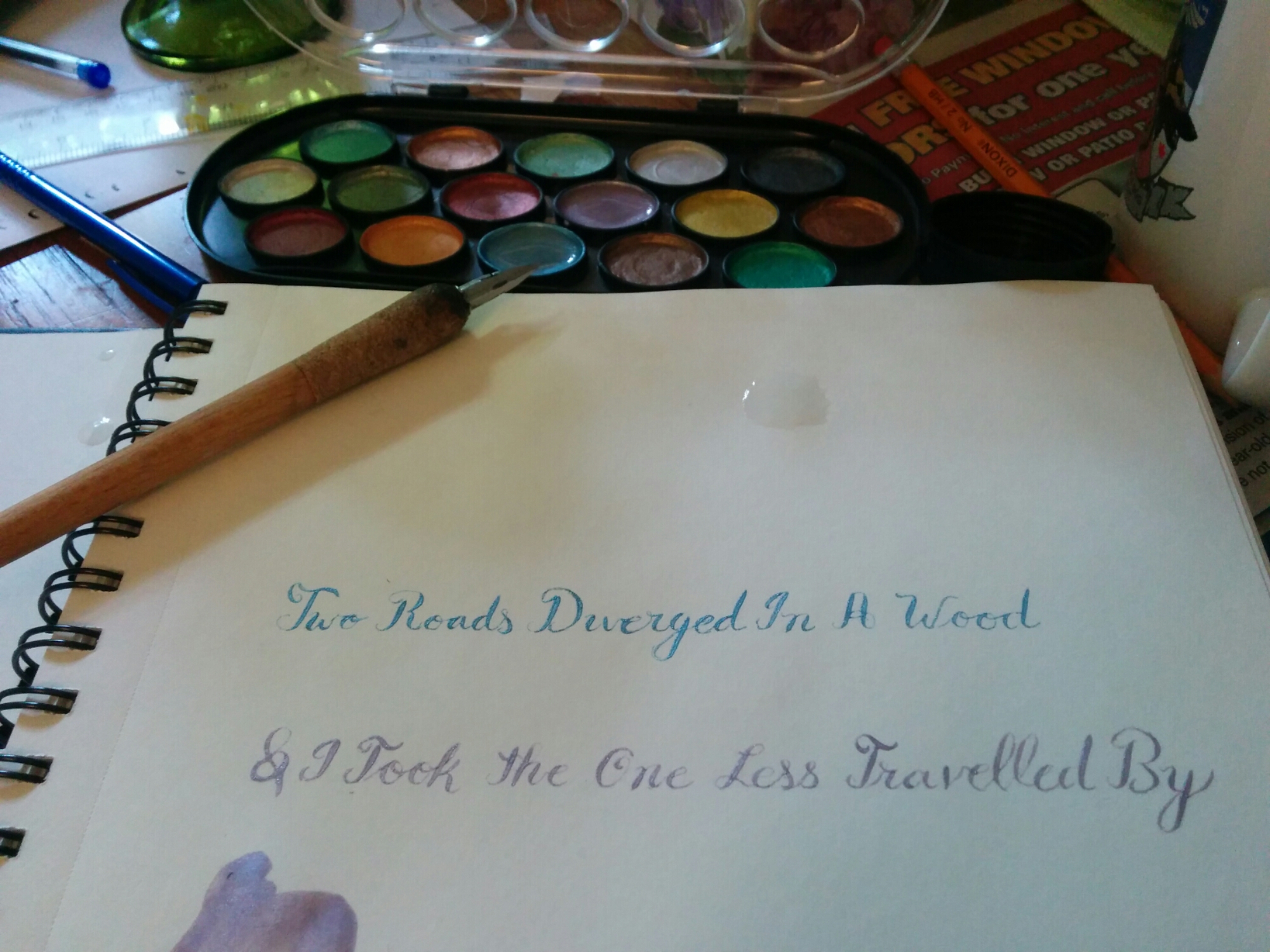
-Robert Frost
When I yearn for ‘normal’ instead of a life with chronic illness, it helps to remember that I’ve learned so much from this life less travelled. Strength, mindfulness, gratitude, self-care… calligraphy.
Share this:

Is using the power of your MIND the best way to beat chronic pain? | Daily Mail Online

Self-Care as a Mindset: What I Learned at the #SelfCareMvmt Summit

On Monday evening I attended the first ever Self-Care Movement Summit in Toronto, Canada. We arrived at the Mars building, a downtown hub of innovative tech and entrepreneurial companies, to register and enjoy catered refreshments, before taking our seats in the auditorium. The audience, of around 250 people, represented the diversity of the people who live with chronic illness – young and old, with visible and invisible chronic conditions. We were there to listen to a series of panelists and speakers talk about their personal or professional experiences using self-care strategies to meet the everyday challenges of life with chronic illness. As these informative and engaging speakers discussed the multifaceted aspects of this topic, I came to new realization about the meaning of self-care. Self-care is both a set of practical strategies, and a mindset, a particular way of understanding and relating to the activities of everyday life.
The core of the self-care mindset that emerged throughout the evening was acceptance of life with chronic illness. As Margaret Trudeau, the keynote speaker, summed up – coming to the realization that “this is the hand you’ve been dealt and the hand you have to play”. But finding acceptance is a long process. Margaret Trudeau shared her health journey living with bipolar disorder and how she experienced the five stages of grief after her diagnosis – more than once. She said that, in her experience, the first step towards accepting life with chronic illness is forgiving yourself. Your illness is not your fault. During the patient panel, Kirstie Shultz discussed self-care as being kind to yourself, every day. In her presentation on mindfulness practice, Dr. Lucinda Sykes talked about the importance of observing and learning from our daily experiences, without judging ourselves. Overall, humor was woven through many of the talks as a way to live positively with chronic illness. For example, John Bradley named his book on Crohn’s disease the Foul Bowel. Kristen Coppens described her eight illness as a “chronic party”. These insights into the self-care mindset are about relating to ourselves in a new way as we address the daily challenges of life with chronic illness, in a compassionate, forgiving, non-judgmental, humorous way.
The second theme that emerged about self-care as a mindset was finding balance in the activities of everyday life. In the patient panel, Marinette Laureano talked about a holistic approach to her self-care practice, by balancing her faith, family, friends and fun in her daily life. Kirstie Shultz described the zero-sum game of fatigue and chronic illness – working to find the balance between activity and rest. Kristen Coppens discussed the challenges of balancing work and illness. In his talk on this subject, John Bradley discussed achieving success against your own measures, rather than letting your goals be defined by the external world. He described his own experience working with chronic illness, and how he found balance by trying to “be the tortoise and not the hare” in achieving work goals. Balance as part of the self-care mindset is more of an intention rather than a constant state, a learning process of respecting the limitations of chronic illness while participating in the daily activities of life.
The third aspect of the self-care mindset is becoming an advocate in your community. Robert Hawke reminded us that, as patients, we are experts with our own wisdom about our health. Dr. Lucinda Sykes discussed mindfulness as a practice of developing insight about ourselves and cultivating the collective wisdom of people living with chronic illness. She said the summit was a celebration of human potential and our heritage of resiliency down the generations. Grace Soyao, of Self-Care Catalysts, explained that the voices of people living with chronic illness need to be heard and that we have the knowledge to drive change. Change like patient-centred care in the healthcare system, increasing research about chronic illness and reducing stigma about living with chronic mental or physical illness. It can be hard to share our illness stories. Robert Hawke noted that we prefer to share our shiny selves with the world, rather than our difficulties and challenges. But when we do share our stories and everyday self-care strategies with each other, as Filomena Servidio-Italiano said, “The ordinary becomes extraordinary.” As part of the self-care mindset, advocacy is about self-empowerment, connection with the chronic illness community and society at large, and celebrating the greatness in ordinary accomplishments that we face every day.
Acceptance. Balance. Advocacy. Connection. These are all critical elements of self-care as a mindset and a way of relating to the ordinary activities of daily life with chronic illness. We can learn to pace our efforts, to eat nutritiously, to exercise more, to use practical self-care strategies. These are important wellness tools. But underneath, cultivating a self-care mindset is the key to improving our health and wellbeing as we live with chronic illness.
I want to thank Self-Care Catalysts and Health Storylines for an inspiring and informative evening. I’m looking forward to participating in advocating for self-care as a movement!



 Skillfully Well & Painfully Aware